New Sod Care
When Can You Walk On and Mow New Sod in Oklahoma?
By Carlos Ochoa, Angel & Sons Sod Business · · Updated
When can you walk on and mow new sod?
Mow it as soon as the grass reaches its normal cutting height. Mowing as soon as it is needed helps the grass spread and root. Walking is different: keep foot traffic light for the first few weeks. We recommend keeping people off for three to four weeks, until the grass is well anchored.
How long does new sod take to root?
In good growing weather, about 10 to 14 days. Check with the tug test: grab the grass and lift. If the sod resists, it's rooting. Our How to Water New Sod in Oklahoma guide walks through it.
Dormant sod is slower. If the grass is dormant when it is laid, several weeks or months may be needed before the new sod can withstand traffic.
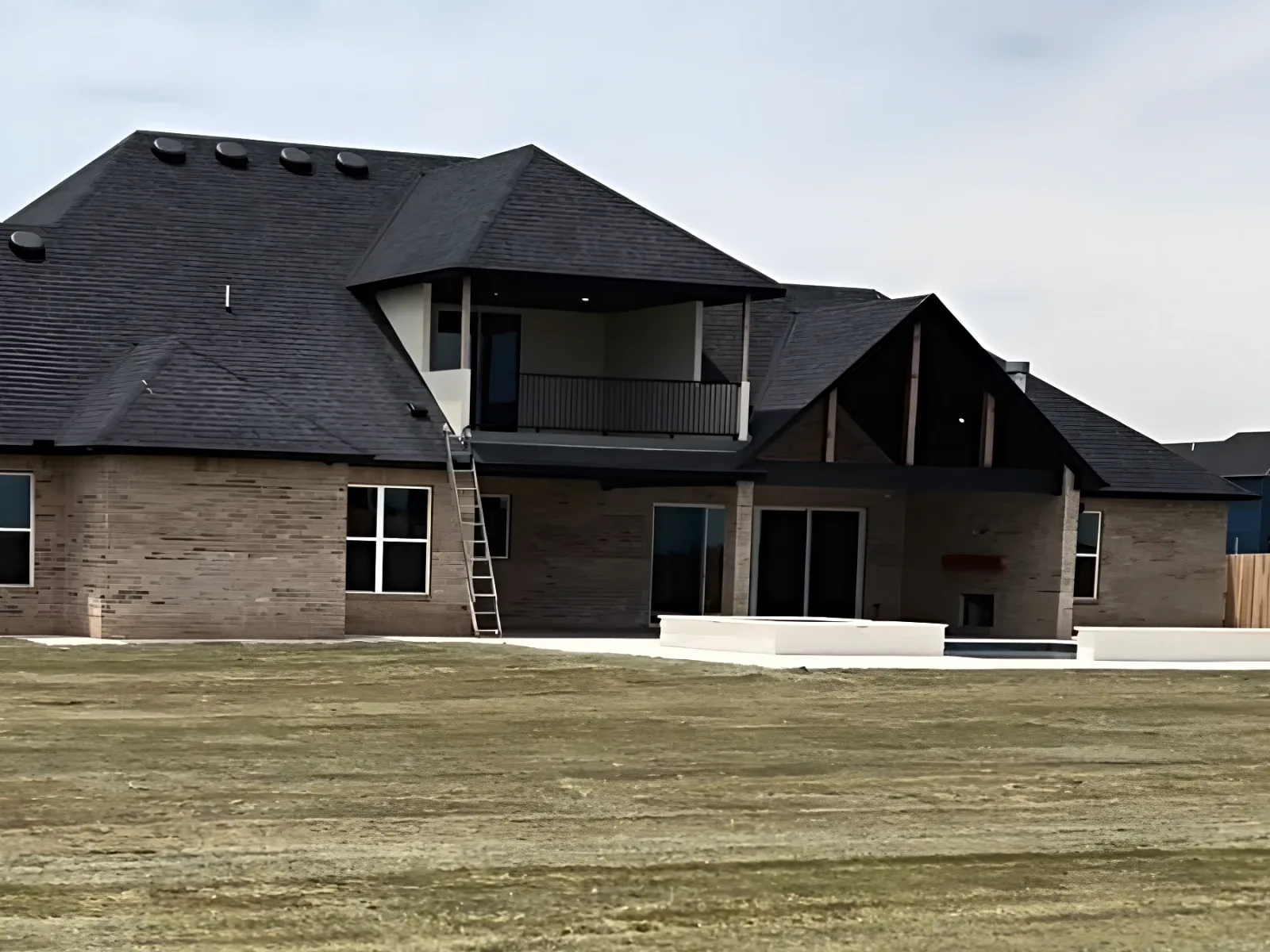
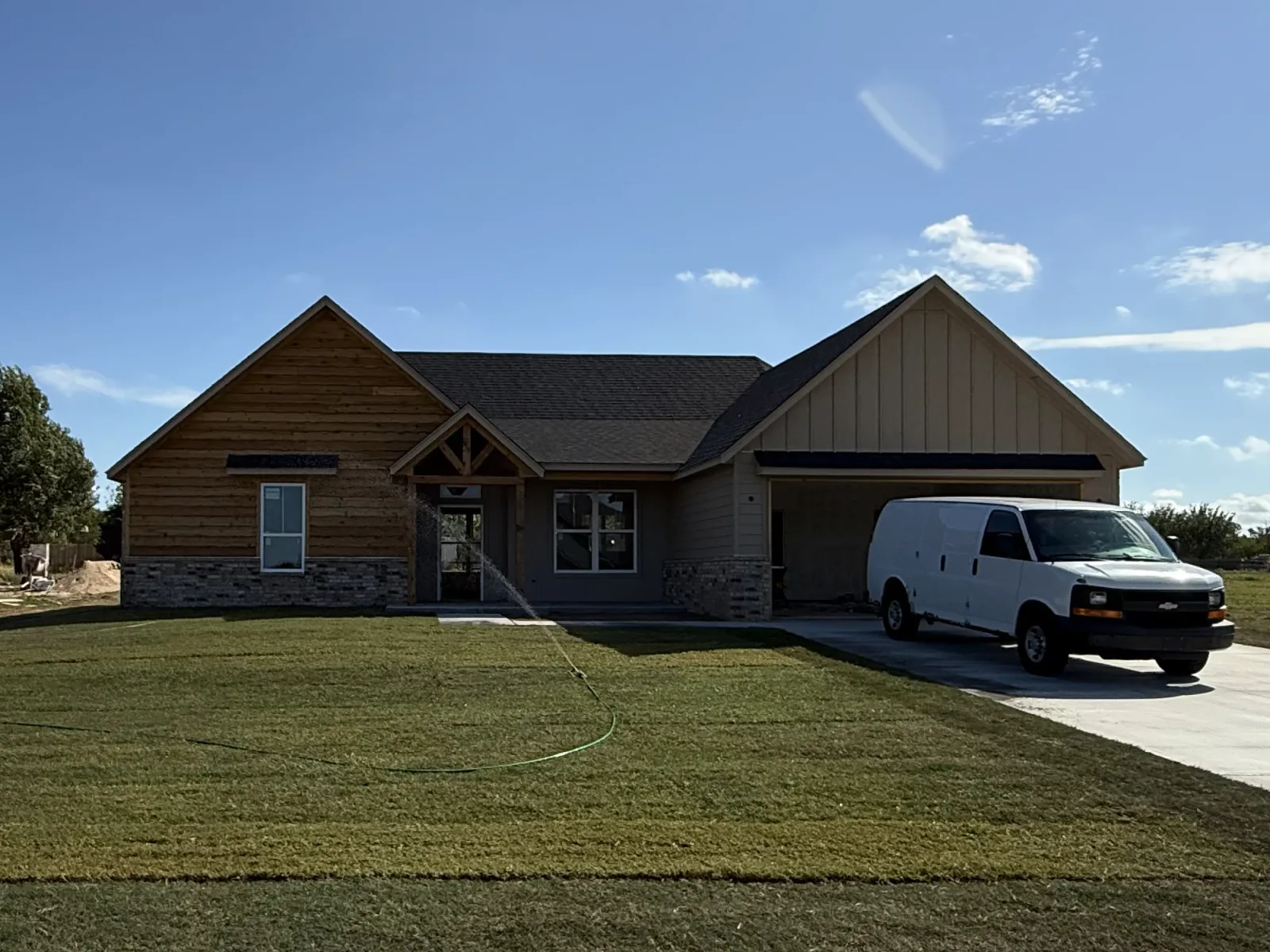
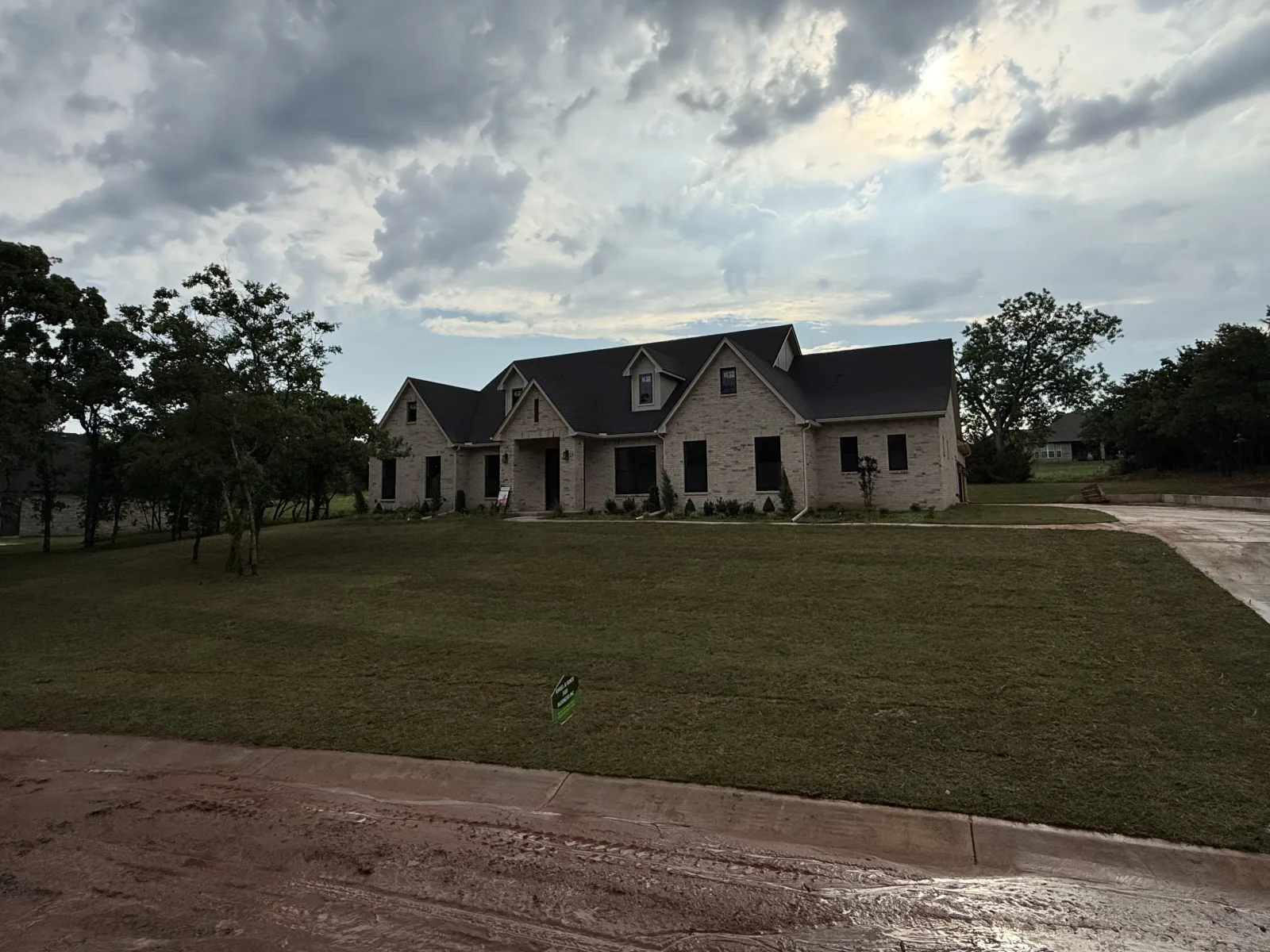
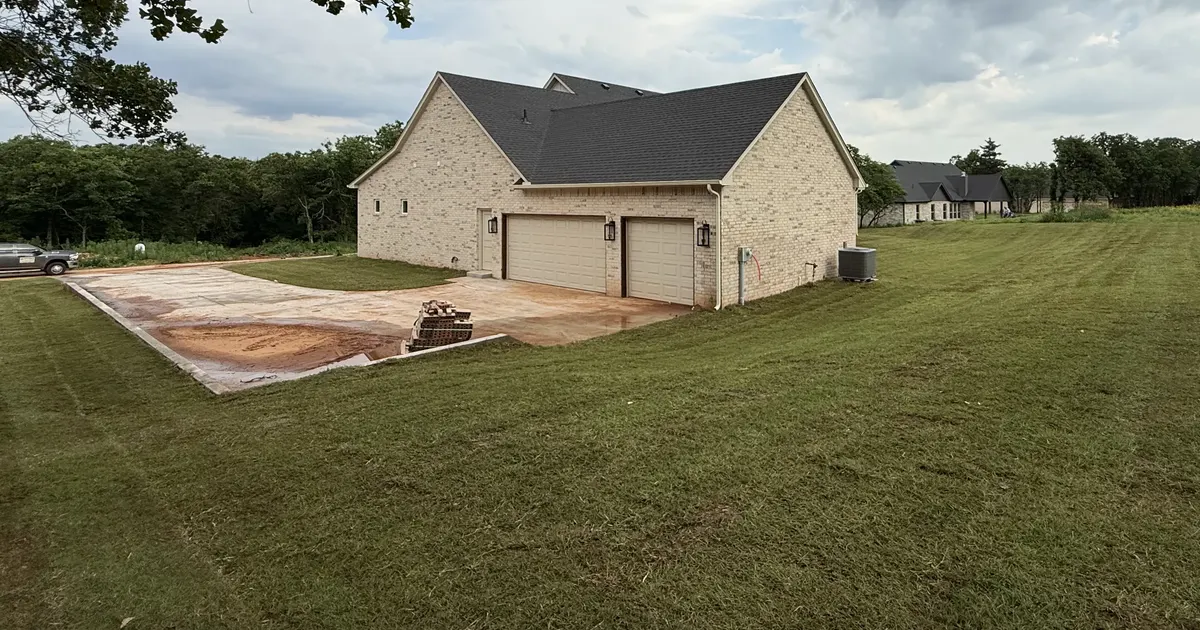
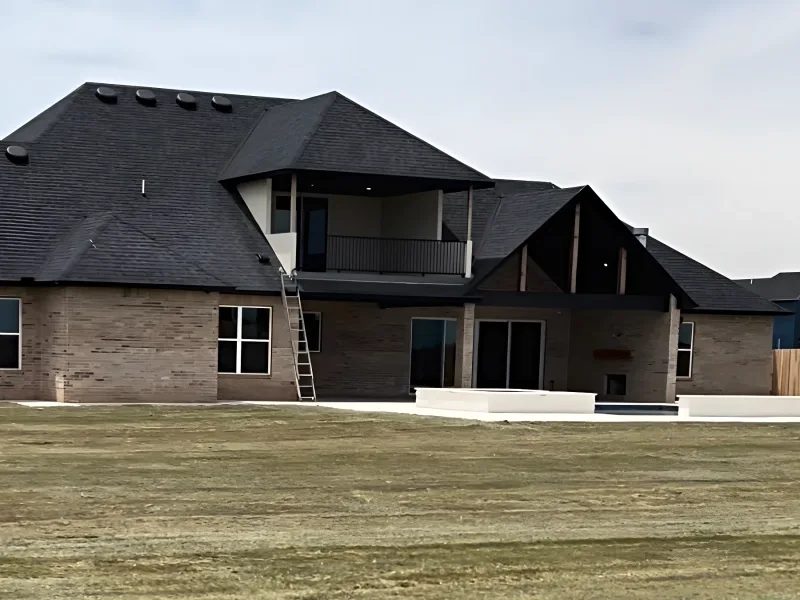
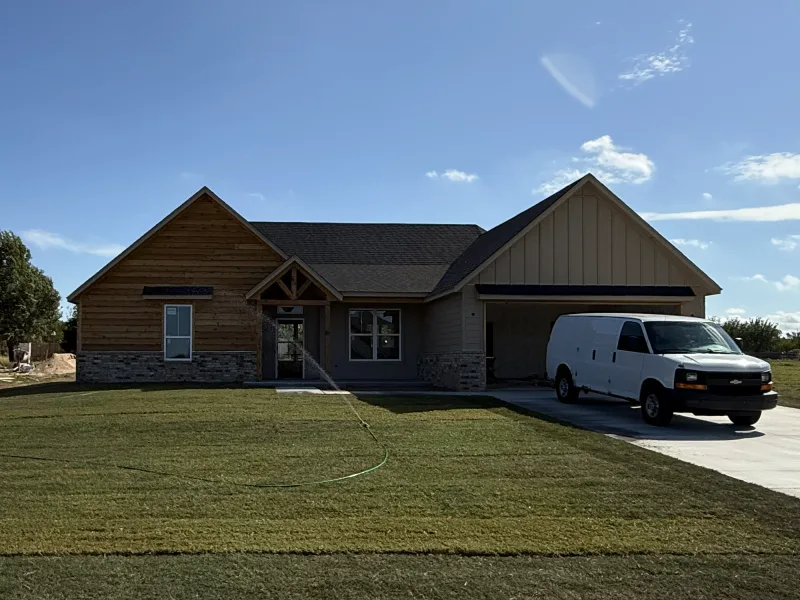
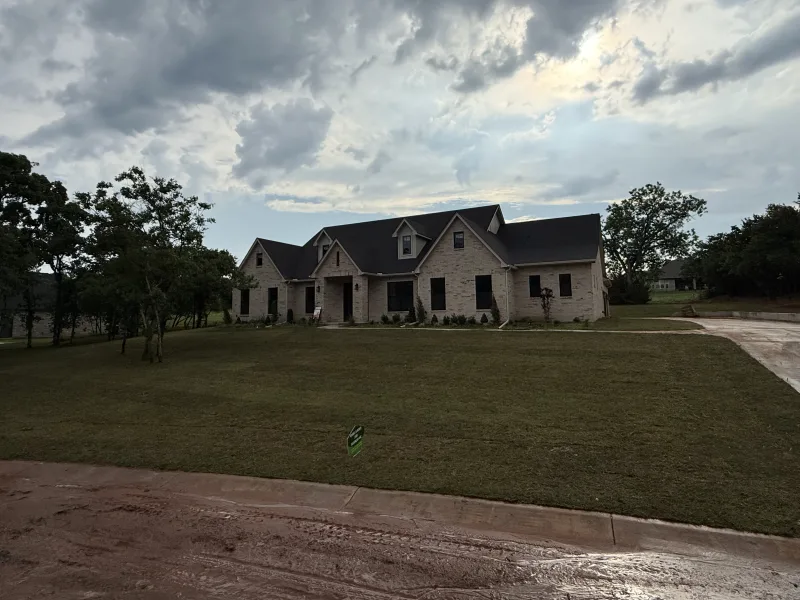
From our jobs

How should you mow new sod the first time?
- Wait for the height, not the date. Mow when the grass reaches its cutting height.
- Use a sharp blade. A sharp mower avoids tearing and pulling the new grass.
- Start a little high. We recommend a slightly higher height than your target for the first cut, to avoid scalping.
- Go light. We recommend a walking mower for the first three to five mowings, even on big areas, to keep weight off the sod.
How high should you mow each grass in Oklahoma?
The mowing heights we recommend, in inches:
| Grass | May–Aug. | Sept.–Apr. |
|---|---|---|
| Bermuda (such as Tifway) | 0.5–0.75 | 1.0–1.25 |
| Common-type Bermuda (such as U-3) | 1.0–2.5 | 1.5–3.0 |
| Zoysiagrass | 0.5–0.75 | 1.0–1.25 |
| Tall fescue | 3.0 | 2.5 |
| Buffalograss | 1.5–3.0 | 2.0–3.0 |
To help conserve soil moisture in summer, you can raise the height to 2 to 3 inches for warm-season grass and 3 to 4 inches for cool-season grass. To save water, the City of Oklahoma City asks for at least 1 inch for Bermuda and 3 inches for fescue. Two rules hold either way: grass in shade should always be cut a little higher, and cutting below the recommended height discourages deep rooting.
How much can you cut off at once?
No more than about one-third of the leaf at a time. For example, cut U-3 bermuda to 1 inch when it reaches 1.5 inches. If the new sod got tall while it was rooting, the same one-third rule means bringing it down over a few mowings instead of all at once.
When should you fertilize new sod?
A nitrogen fertilizer three to four weeks after planting will help the grass establish, at about 0.5 pound of nitrogen per 1,000 square feet. We recommend avoiding weed killers for at least the first three to four weeks after planting.
In Arkansas, the advice for warm-season sod laid while dormant is to wait on nitrogen until April or May, after the grass has fully greened up.
What we do after install
We give the new sod its first watering and leave written watering instructions. We put down starter fertilizer when you ask for it, and we can keep mowing and fertilizing your lawn after install. We don't do weed control. See our Services page, or ask for a free yard visit on our Contact page.
Still choosing a grass? Compare them in Bermuda, Zoysia, Tall Fescue or Buffalograss: Which Sod Fits Your Oklahoma Yard?
Sources
- OSU Extension, Establishing a Lawn in Oklahoma (HLA-6419): https://extension.okstate.edu/fact-sheets/establishing-a-lawn-in-oklahoma.html
- OSU Extension, Lawn Management in Oklahoma (HLA-6420): https://extension.okstate.edu/fact-sheets/lawn-management-in-oklahoma.html
- OSU Extension, Turfgrass Management in Oklahoma (L-437): https://extension.okstate.edu/fact-sheets/turfgrass-management-in-oklahoma.html
- University of Arkansas Extension, Establishing a Lawn from Sod: https://www.uaex.uada.edu/counties/garland/news/anr/2016/Establishing%20a%20Lawn%20from%20Sod.aspx
- University of Nebraska–Lincoln, Establishing Lawns From Sod: https://hles.unl.edu/sites/unl.edu.ianr.extension.community-environment/files/media/file/Establishing-lawn-fromsod2012m.pdf
- Iowa State University Extension, How should I water a newly sodded lawn?: https://yardandgarden.extension.iastate.edu/faq/how-should-i-water-newly-sodded-lawn
- University of Tennessee Extension, Turfgrass Establishment: When to Plant Turfgrasses (W160-F): https://uthort.tennessee.edu/wp-content/uploads/sites/228/2023/11/W160-F.pdf
- City of Oklahoma City, OKC reminds customers of permanent odd/even watering schedule (Aug. 19, 2026): https://www.okc.gov/News-articles/OKC-Utilities-reminds-customers-of-permanent-oddeven-watering-schedule
Frequently asked questions
- When can I mow new sod?
- When the grass reaches its normal cutting height. Mowing as soon as it is needed helps the grass spread and root.
- How long should you stay off new sod?
- Keep traffic light until it roots. We recommend keeping people off a new sod lawn for three to four weeks, until the grass is well anchored.
- How much should I cut off when I mow?
- No more than about one-third of the leaf at a time. For example, cut U-3 bermuda to 1 inch when it reaches 1.5 inches.
- When should I fertilize new sod?
- A nitrogen fertilizer three to four weeks after planting will help it establish, at about 0.5 pound of nitrogen per 1,000 square feet.
Real jobs
See our work

- Before and afterAll our projectsSee all projects