Choosing Your Grass
Which Bermuda Grass Is Best for Oklahoma? Tahoma 31, Tifway 419, TifTuf and More
By Carlos Ochoa, Angel & Sons Sod Business · · Updated

What is the best Bermuda grass for Oklahoma?
There isn't one best Bermuda grass for every yard. The coarser, common-type bermudas like U-3 are better suited for home lawns because they need less fertilizing, mowing and dethatching. Fine-textured hybrids like Tifway handle heavy traffic, but for a home lawn they only make sense when you want a top-quality, high-maintenance turf. Tahoma 31, a newer hybrid bred at Oklahoma State University, is more cold-tolerant and drought-resistant than its predecessors.
How do the Bermuda varieties compare?
| Variety | From | Texture | Cold | Shade rating |
|---|---|---|---|---|
| Tahoma 31 | Oklahoma State University | Fine | Exceptional winter survival in national trials | Not rated |
| Tifway (419) | USDA and Georgia | Fine | Good | Very poor |
| TifTuf | Univ. of Georgia and USDA | Not stated | 90% survival down to -6°F | Not rated |
| Patriot | Oklahoma State University | Medium-fine | Good winter hardiness | Poor |
| Astro | Chance find in Tifway | Medium | Not rated (slightly slower spring green-up) | Not rated |
| U-3 | USGA and USDA | Medium fine | Very good | Very poor |
The sources for every row are listed at the end of this guide. "Not rated" means we don't have a shade rating for that variety, so we don't make a shade claim for it.
From our jobs


Tahoma 31: bred in Oklahoma
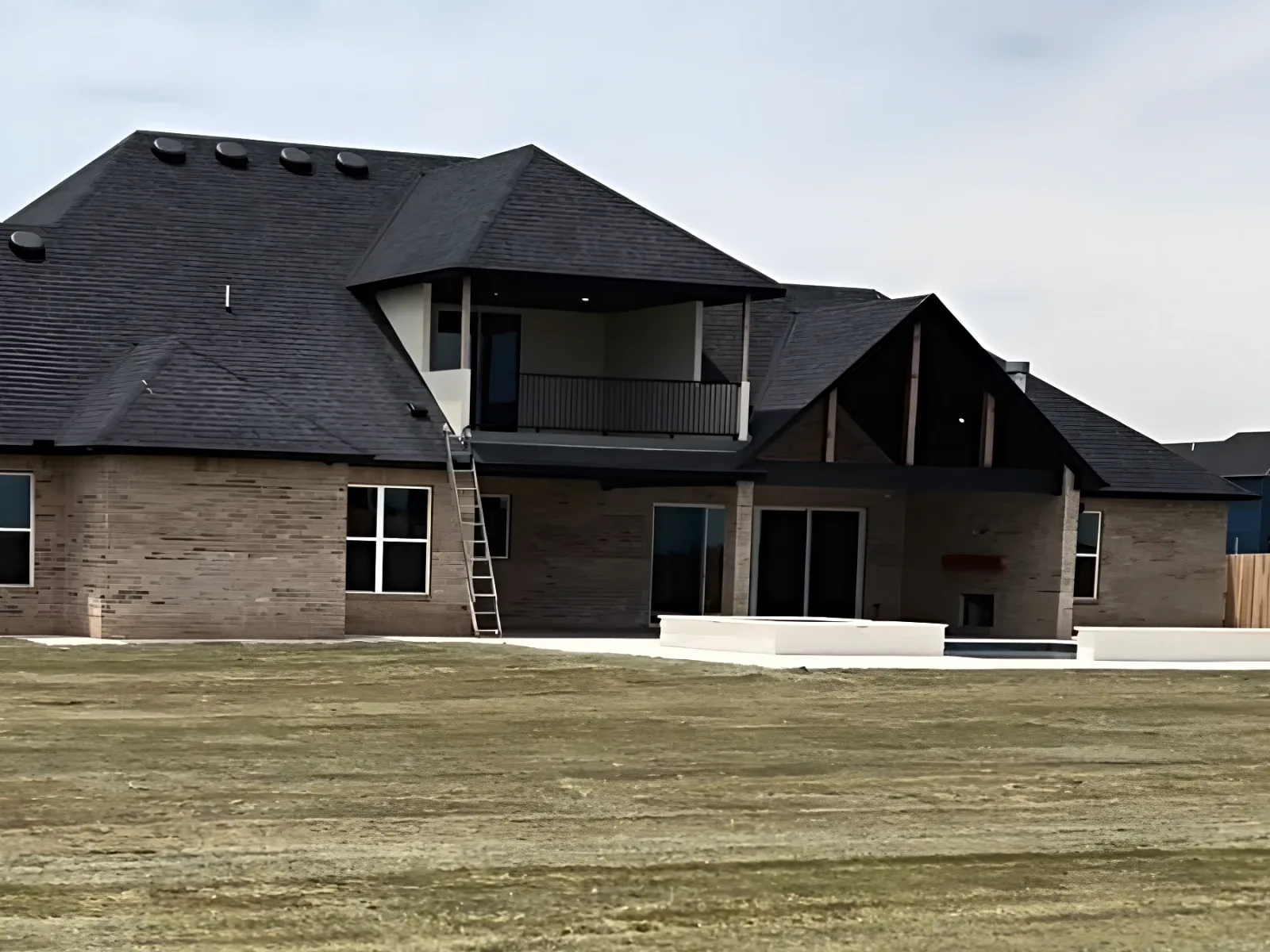
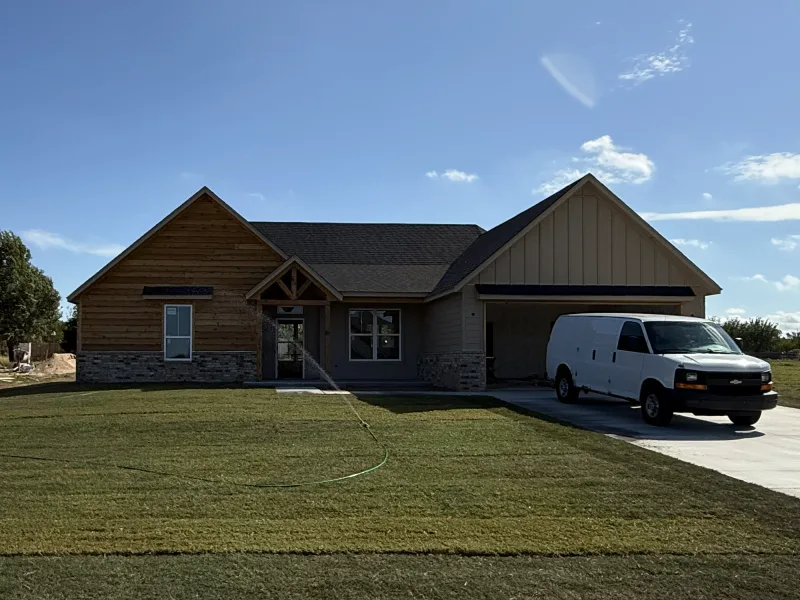
Tahoma 31 came out of Oklahoma State University's turf breeding program, where it took more than a decade to develop. It is more cold-tolerant and drought-resistant than its predecessors, with an attractive dark green color, a fine texture, high density and a lower water demand in colder weather. It also tends to green up quicker in the spring. Tested as OKC 1131, it showed high traffic tolerance and was always in the top group for winter survival over four years of national trials. It is a particularly good fit for athletic venues. See the Tahoma 31 sod we laid on an 8,000 sq ft Oklahoma yard, or every job on our Projects page.
Tifway (419): the traffic standard
Tifway was released to sod growers in 1960 after work by the USDA and the Georgia Coastal Plain Experiment Station. Tifway and similar fine bermudas are an excellent choice for areas that get heavy traffic, because they resist and recover well from wear. For a home lawn, we recommend them only when you want a top-quality, high-maintenance turf. Tifway's winter hardiness is good and its shade tolerance very poor.
TifTuf: the drought pick
TifTuf was released in 2014 on the basis of its drought tolerance, wear resistance, persistence in the shade and widespread adaptability. It has excellent drought tolerance and superior wear and traffic tolerance, and it showed 90 percent survival at temperatures down to -6°F. We don't have a shade rating for it.
Patriot: bred at OSU
Patriot was bred at Oklahoma State University. It is a dark blue-green hybrid with good winter hardiness, suited for athletic fields, home and commercial landscapes, and parks. It has excellent shoot survival in winter and high shoot density, and its shade tolerance is poor.
Astro and IronCutter
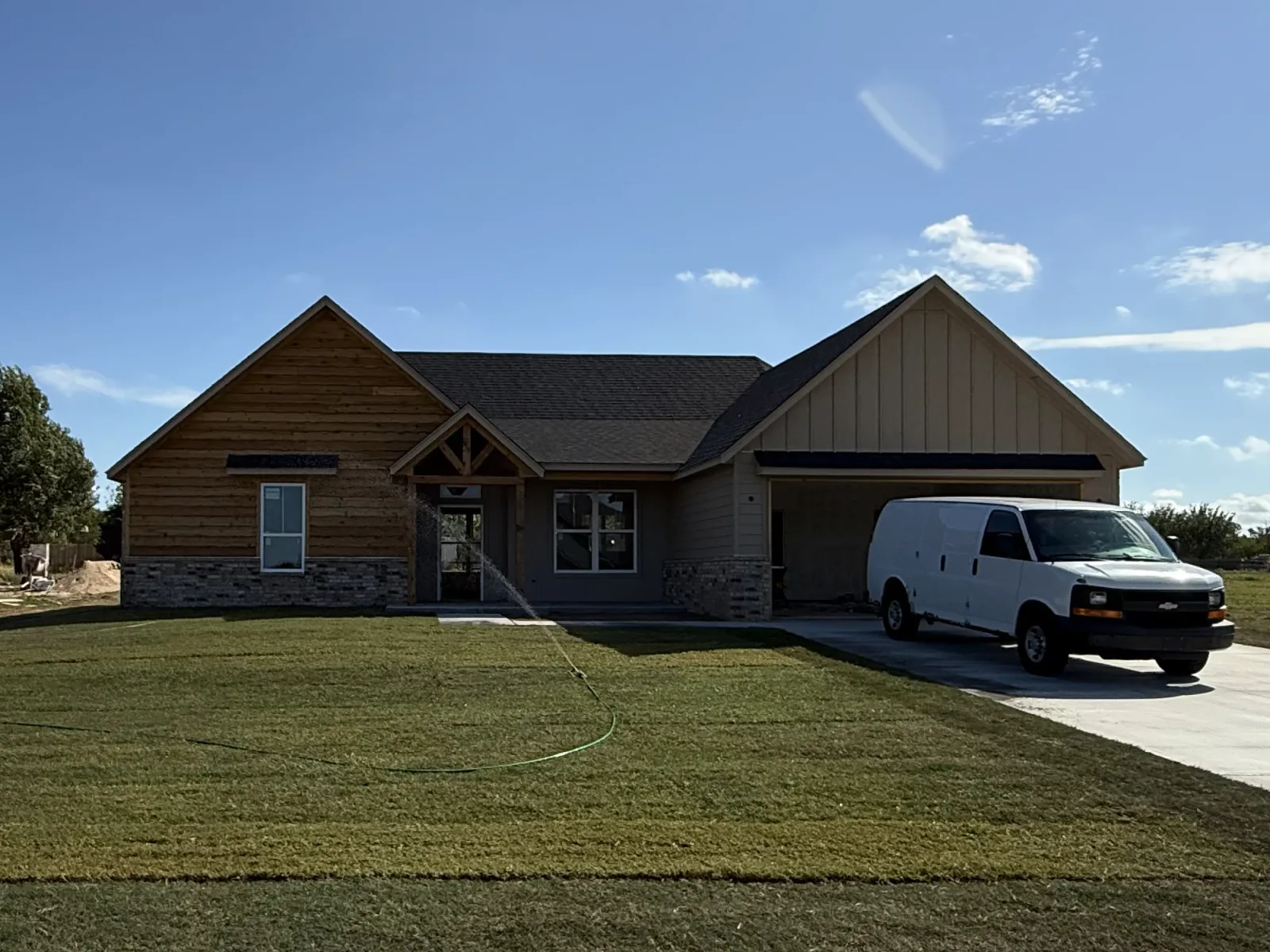
Astro. Astro and Tifway are the old reliable vegetative hybrids. Astro is dense and medium-textured, with fast recovery and good wear resistance. It is lighter in color than several other vegetative bermudas, and slightly slower than several other bermudas to come out of winter dormancy. See Astro Bermuda grass on a 40,000 sq ft job, or every job on our Projects page.
IronCutter. IronCutter is one of the newer vegetative hybrid bermudas popular for Oklahoma lawns. We haven't found a reliable source for its traits yet, so we don't make claims about it here.
U-3: the lower-upkeep classic
U-3 was released in 1947 by the U.S. Golf Association with the USDA. It is denser, finer and darker than common bermudagrass, and makes a nice lawn or athletic field turf with lower upkeep than the finer-textured varieties. Its winter hardiness is very good. U-3 seed is sold, but seeded U-3 is less uniform in texture than U-3 from sod.
What do Bermudas need?
- Full sun. Bermudagrass may work where a spot gets at least 8 hours of sun.
- The right planting window. Usually not before May 1, and for sod, at least one month before the first fall frost. See the best time to lay sod in Oklahoma.
- Short mowing. Modern, dense hybrid bermudas perform best mowed no higher than 1.5 inches; common types like U-3 can be cut higher. See When Can You Walk On and Mow New Sod in Oklahoma?
- Thatch control. Bermuda and zoysia are prone to thatch, and the best time to dethatch them is before spring green-up.
Which Bermudas do we install?
We install U-3, Astro, Tifway 419, Tahoma 31, Patriot, TifTuf, IronCutter, Rivera and Midland. Not sure which fits? Compare all four grass types in Bermuda, Zoysia, Tall Fescue or Buffalograss, see them on our Sod Varieties page, or send us a photo of your yard from our Contact page.
Sources
- OSU Extension, Selecting a Lawn Grass for Oklahoma (HLA-6418): https://extension.okstate.edu/fact-sheets/selecting-a-lawn-grass-for-oklahoma.html
- OSU Extension, Establishing a Lawn in Oklahoma (HLA-6419): https://extension.okstate.edu/fact-sheets/establishing-a-lawn-in-oklahoma.html
- OSU Extension, Managing Turfgrass in the Shade in Oklahoma (HLA-6608): https://extension.okstate.edu/fact-sheets/managing-turfgrass-in-the-shade-in-oklahoma.html
- OSU Extension, Lawn Management in Oklahoma (HLA-6420): https://extension.okstate.edu/fact-sheets/lawn-management-in-oklahoma.html
- OSU News, OSU-developed bermudagrass takes root as improvement on previous varieties (Mar. 13, 2019): https://news.okstate.edu/articles/agriculture/2019/stotts_tahoma31_bermudagrass
- OSU News, Adjust mowing frequency, cutting height on bermudagrass lawns (July 10, 2020): https://news.okstate.edu/articles/agriculture/2020/stotts_bermudagrass-mowing
- OSU research summary, Development of New Bermudagrass Varieties (USGA, 2017): https://archive.lib.msu.edu/tic/ressum/2017/47.pdf
- University of Tennessee Extension, Bermudagrass (W 159-A): https://uthort.tennessee.edu/wp-content/uploads/sites/228/2023/11/W159-A.pdf
- University of Georgia Extension, Tifton Turfgrass Breeding: https://extension.uga.edu/about/our-impact/impact-stories/impact-statement/8863/tifton-turfgrass-breeding.html
- U.S. Plant Patent PP16,801, Patriot Turf Bermudagrass: https://patentimages.storage.googleapis.com/pdfs/USPP16801.pdf
Frequently asked questions
- What is the best Bermuda grass for Oklahoma?
- It depends on the yard. Lower-density common types like U-3 are better suited for home lawns because they need less upkeep, while fine-textured hybrids like Tifway resist and recover well from heavy traffic but need more care. Tahoma 31, a newer hybrid bred at Oklahoma State University, is more cold-tolerant and drought-resistant than its predecessors.
- Is Tahoma 31 good for Oklahoma?
- Tahoma 31 is more cold-tolerant and drought-resistant than its predecessors, with a fine texture and high density, and it tends to green up quicker in the spring. It was developed by Oklahoma State University's turf breeding program.
- Which Bermuda grass handles shade best?
- None handles real shade well. Bermudagrass has poor shade tolerance, and it may work where a spot gets at least 8 hours of sun. Patriot's shade tolerance is poor, and U-3's and Tifway's is very poor.
- Is TifTuf good in drought?
- TifTuf was released in 2014 for its drought tolerance, wear resistance, persistence in the shade and wide adaptability.
Real jobs
See our work
- Before and afterAll our projectsSee all projects